As putin continues his war against Ukrainian civilians, Ukrainians fight back with drone strikes against military and utility targets inside Russia. On November 29th, a drone and missile attack on Kyiv killed two people, injured thirty-eight others, and left most of the city without power—and by default, without water—because of damage to transmission lines.
When I visited Ukraine in October, four things struck me most.

One was the women: fashion-conscious and chic, yet all wearing sensible shoes. The cobbled streets of Ukrainian towns and cities demand practicality, unlike in Poland where, upon leaving Ukraine, I saw stilettos, high heels, and slip-on court shoes everywhere. In Ukraine, the only heels I saw were worn by a bride in her wedding gown.
That detail has stayed with me. In a country where infrastructure is under attack and daily life is precarious, people still find ways to express identity and elegance. Sensible shoes on cobbled streets are not just a fashion choice—they are a quiet symbol of resilience, of adapting to hardship without surrendering grace.
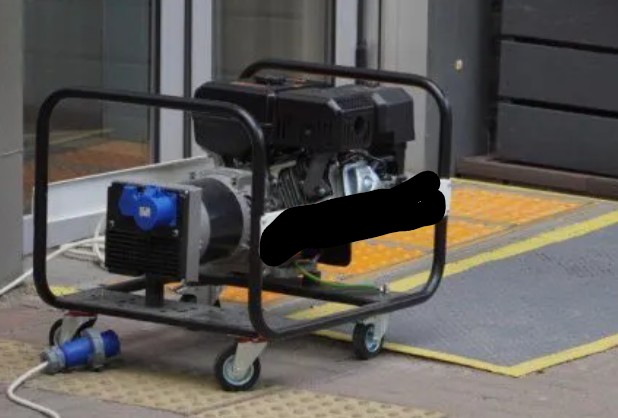
The second was the sheer number of portable generators outside shops, hotels, offices, and homes. They varied in size from small individual units to machines as large as a truck, sitting like sentinels, waiting to be called into use at a moment’s notice. Their presence was a reminder that survival in Ukraine is not abstract—it is powered by ingenuity, preparation, and the hum of engines ready to restore light and warmth when darkness falls.
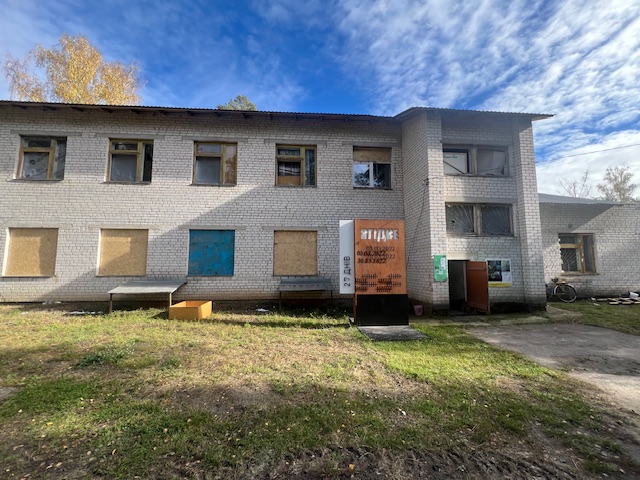
Third, the protection afforded to ministerial and cultural buildings and monuments. Statues wrapped in sandbags or defensive shields. Windows and doors boarded and buffeted with more sandbags. In certain areas, civilian access is prohibited and photography strictly forbidden. These measures don’t just protect new security installations since Russia’s attacks, but also safeguard those serving in uniform and their families.
And finally…
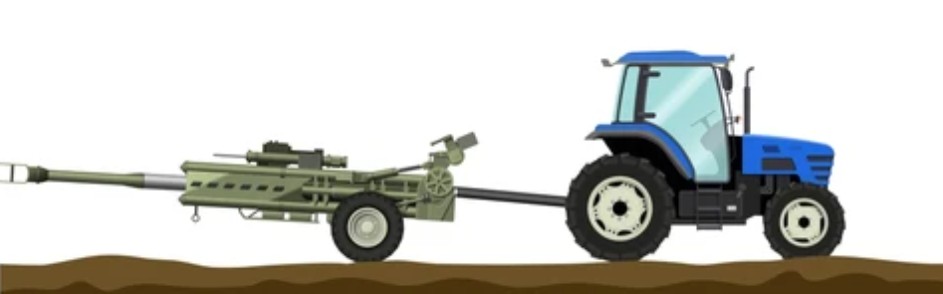
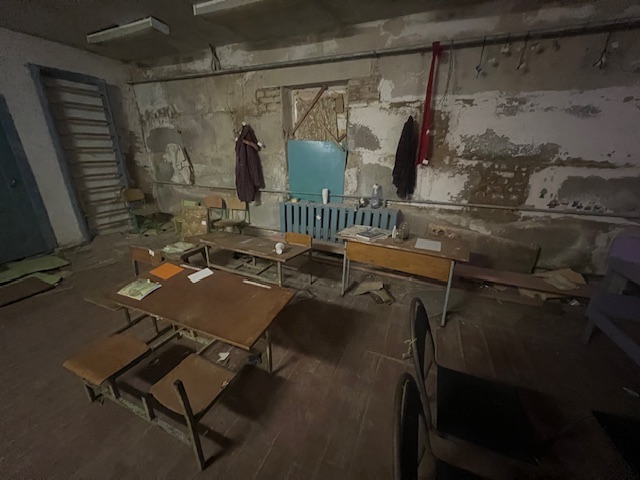
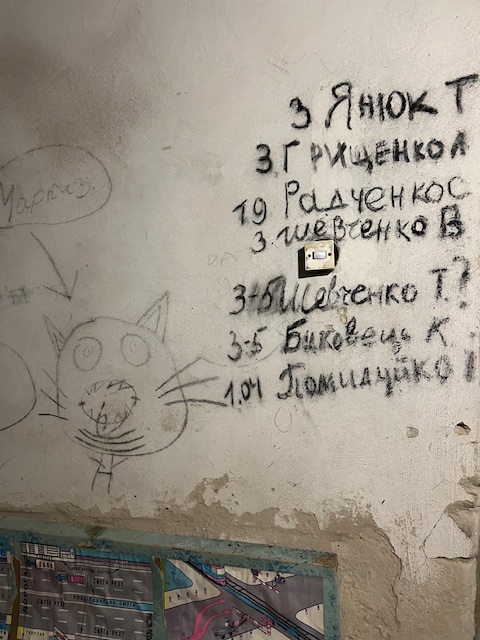
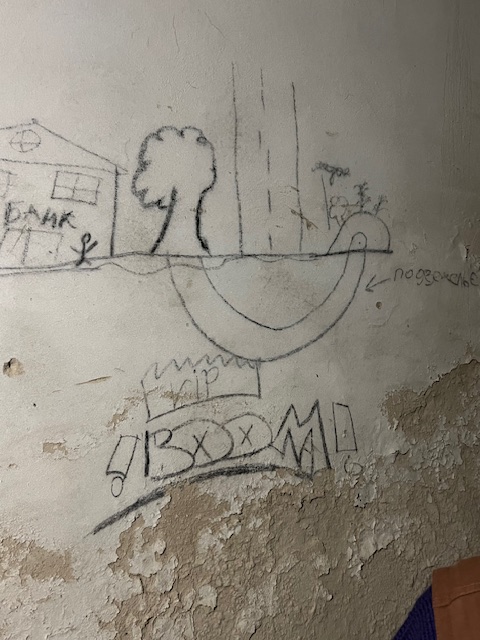
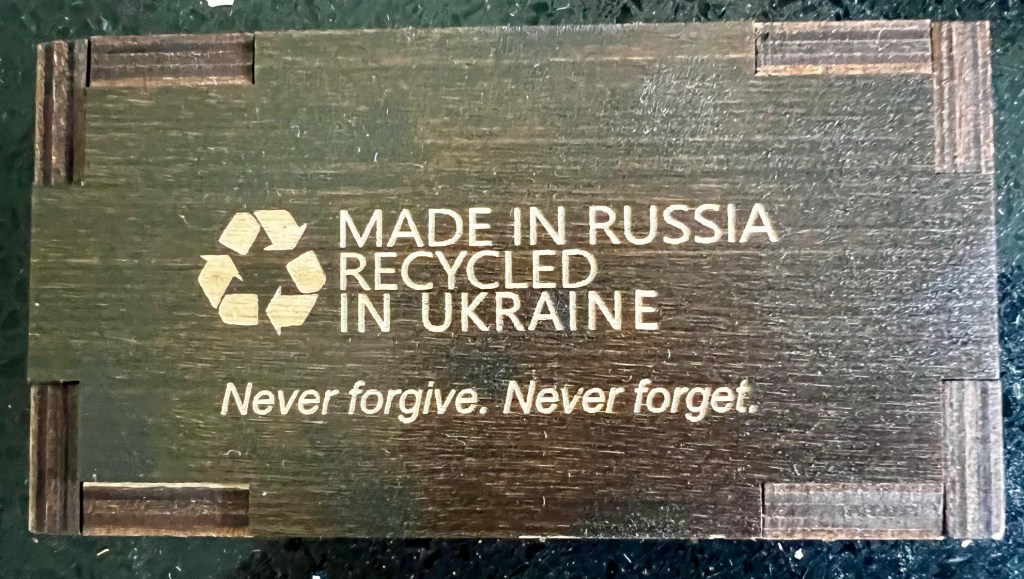
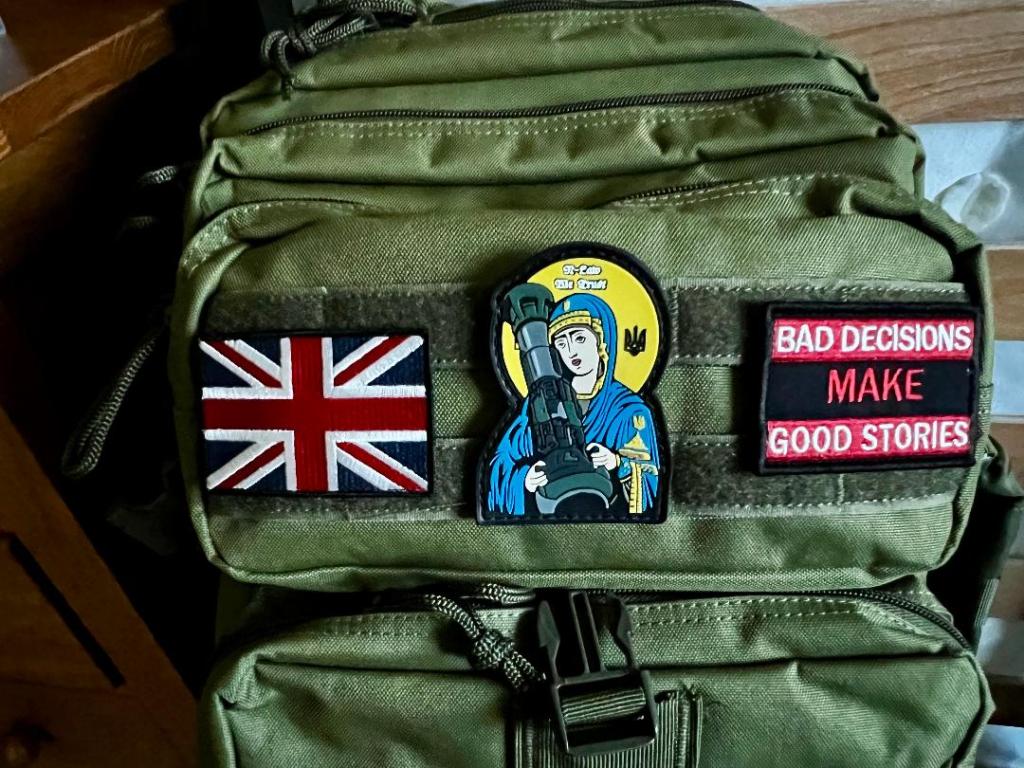
Ukrainians’ black and bleak sense of humour. They worry it does not translate well, or that outsiders will fail to see it for what it is: a defensive mechanism, a way of coping with relentless horror. Yet within Ukraine, this humour is a quiet act of defiance, proof that even in the darkest times, the human spirit insists on finding a voice.











 Liz In Ukraine